Ankle, Calf & Foot Pain Treatment in Cheadle
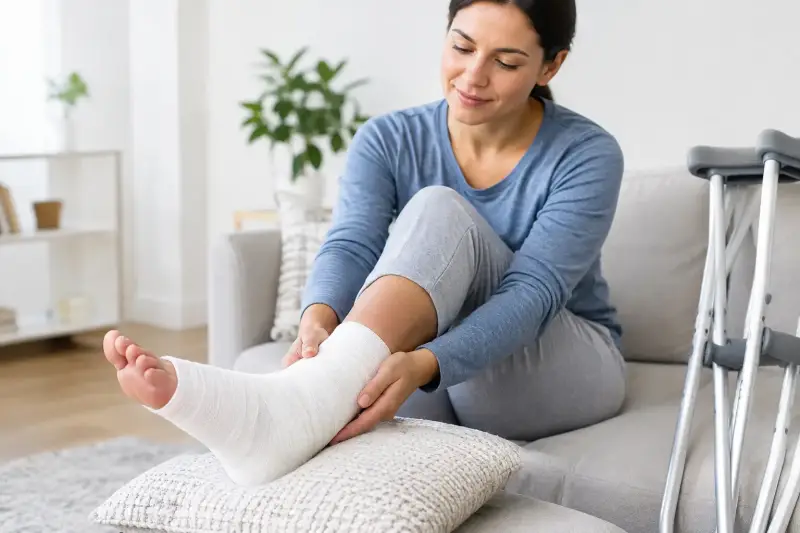
Ankle, calf or foot pain stopping you in your tracks?
Whether you are struggling to walk, exercise, climb stairs or stand comfortably, ankle, calf and foot pain can seriously affect your everyday life.
Pain may develop suddenly following an injury or gradually due to overuse, altered foot mechanics, muscle weakness or repetitive strain. Or may be your recovering from ankle surgery - such as Brostrum ligament reconstruction.
At Physio Motion Injury Clinic in Cheadle, we assess and treat a wide range of ankle, calf and foot conditions, helping you understand the cause of your pain and work towards recovery.
Don't let painful feet or ankles keep you sitting on the sidelines.
Common Ankle, Calf & Foot Injuries
Ankle Sprains & Inversion Injuries
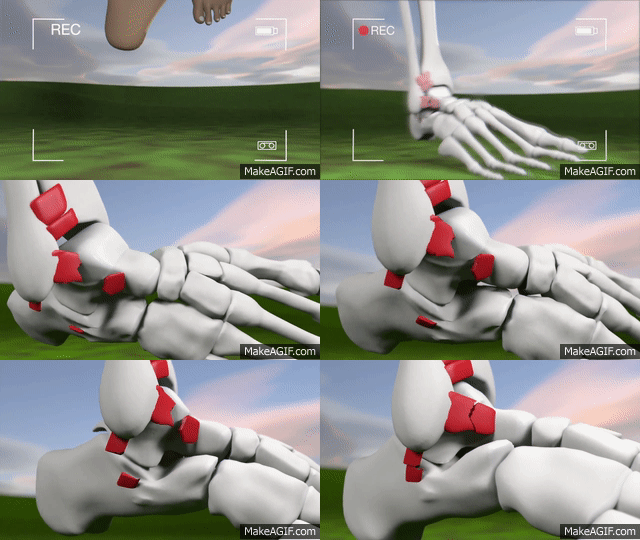
An inversion injury occurs when your ankle rolls inwards, placing excessive strain on the outer ankle ligaments- which may stretch or rupture.
This is one of the most common causes of a twisted ankle and can happen during walking, running, jumping or playing sport.
Symptoms may include:
-
Pain and swelling around the outer ankle
-
Bruising and tenderness
-
Difficulty putting weight on your foot
-
Feeling that your ankle is unstable
-
Repeated ankle sprains or giving way
Grades of Sprain
Sprains are classified by severity to help guide treatment and recovery expectations.
A Grade 1 sprain involves mild stretching of the ligament with little swelling and minimal loss of function.
A Grade 2 sprain is a partial ligament tear that commonly causes noticeable swelling, bruising, pain, and difficulty bearing weight or using the affected joint.
A Grade 3 sprain is a complete ligament tear, often resulting in significant instability, severe swelling, and an inability to use the joint normally.
Pothole & Walking Injuries
An unexpected pothole, uneven pavement or awkward step can cause your foot or ankle to twist suddenly.
You may experience:
-
Ankle sprains and ligament injuries
-
Calf muscle strains
-
Foot pain and swelling
-
Knee or hip discomfort following a fall
-
Pain when walking or bearing weight
Falls While Walking
A slip, trip or fall can cause injuries ranging from minor soft tissue strains to more significant fractures.
If you have fallen and developed persistent pain, swelling or difficulty walking, an appropriate assessment can help determine the next steps.
Achilles Tendon Pain
The Achilles tendon connects your calf muscles to your heel.
Symptoms may include:
-
Pain at the back of your heel
-
Morning stiffness
-
Pain when walking, running or climbing stairs
-
Tenderness or thickening around the tendon
Calf Muscle Strain
A sudden push-off, sprint or jump can strain the calf muscles.
Symptoms include sharp pain, tightness, cramping and difficulty walking or running.
Plantar Fasciitis & Heel Pain
Plantar fasciitis affects the thick band of tissue beneath the foot.
Typical symptoms include:
-
Heel pain with the first steps in the morning
-
Pain after periods of rest
-
Discomfort after prolonged standing or walking
-
Pain following running or increased activity
Flat Feet, High Arches & Leg Length Differences
Foot shape and lower limb mechanics can influence how forces travel through your ankles, calves and feet; may well contribute to knee, hip and lower back pain.
* Peroneal tendinitis / tears may develop
* Posterior Tibialis Dynfunction could be a feature
We assess factors including:
-
Pes planus (flat feet) – a lowered foot arch
-
High arches (pes cavus) – may increase pressure beneath certain areas of the foot
-
Leg length differences – may influence walking patterns and lower limb loading
-
Gait and foot posture abnormalities – changes in walking or running mechanics
These features do not automatically cause pain, but assessment may help identify factors relevant to your symptoms.
Footwear, Inserts & Podiatry Referral
In some cases, appropriate footwear or foot inserts may help improve comfort and support.
Following your assessment, we may discuss:
-
Suitable footwear
-
Over-the-counter arch supports or inserts
-
Whether custom orthotics may be appropriate
-
Referral to a podiatrist for specialist foot assessment
Inserts are not necessary for everyone. Their suitability depends on your symptoms and individual foot mechanics.
Ballet & Dance-Related Foot Pain
Ballet dancers and performing artists place considerable demands on their feet and ankles.
Common problems include:
-
Pain associated with pointe work
-
Achilles tendon irritation
-
Ankle sprains
-
Forefoot and toe pain
-
Stress-related foot injuries
-
Repetitive overload from jumping and landing
Running & Ultra-Marathon Injuries
Long-distance runners and ultra-marathon athletes can develop injuries from repetitive loading and prolonged activity.
These may include:
-
Plantar fascia irritation or tears
-
Foot and ankle tendon injuries
-
Retinaculum injuries affecting tendon support
-
Achilles tendon pain
-
Stress injuries of the foot
-
Calf muscle strains
Turf Toe & Big Toe Injuries
Turf toe affects the joint and supporting structures at the base of the big toe (hallux).
It often occurs when the toe is forced into excessive upward bending or hyperextension during sport.
Symptoms may include pain, swelling, tenderness and difficulty pushing off when walking or running.
How Can Physiotherapy Help?
Your treatment begins with a thorough assessment to understand your symptoms and identify factors contributing to your pain.
Treatment may include:
-
Detailed ankle, calf and foot assessment
-
Gait and movement analysis
-
Hands-on physiotherapy
-
Soft tissue treatment and massage
-
Appropriate joint mobilisation
-
Stretching and mobility exercises
-
Progressive strengthening
-
Balance and stability training
-
Rehabilitation to return to walking, running, dance and sport
Where appropriate, we may recommend footwear adjustments, inserts or further assessment by a podiatrist.
Your treatment programme is tailored to your condition, symptoms and recovery goals.
Should You Rest or Keep Moving?
In most cases, gentle movement is beneficial, provided it is comfortable and appropriate for your injury.
Low-impact activities such as walking, swimming, cycling and yoga can help maintain mobility, muscle strength and cardiovascular fitness.
We often say “Motion is lotion!” Gentle, controlled movement can help prevent stiffness and keep your joints moving.
However, you may need to temporarily reduce high-impact activities such as running, jumping or sports that place excessive strain on your ankle or foot.
If an activity significantly increases your pain or swelling, ease back and seek professional advice.
When Should You Seek Medical Help?
Seek urgent medical assessment if you experience:
-
Sudden calf pain with swelling, warmth or redness, which may indicate a blood clot
-
Sudden severe calf pain with a popping sensation or inability to push off, which may indicate an Achilles tendon rupture
-
Severe pain, deformity or inability to bear weight following an injury
-
A cold, pale or numb foot
Call 999 for chest pain or sudden breathlessness, particularly if accompanied by calf swelling or pain.
Take the First Step Towards Recovery
Whether you have an ankle sprain, inversion injury, Achilles tendon pain, plantar fasciitis, calf strain or persistent foot pain, you don't have to let discomfort dictate your lifestyle.
At Physio Motion Injury Clinic, we provide personalised physiotherapy and rehabilitation to help you improve movement, restore strength and return to the activities you enjoy.
" Don't let pain put you in the slow lane – call Mr Hussain and get moving again! "