Ballet Dancer Injuries & Physiotherapy in Cheadle
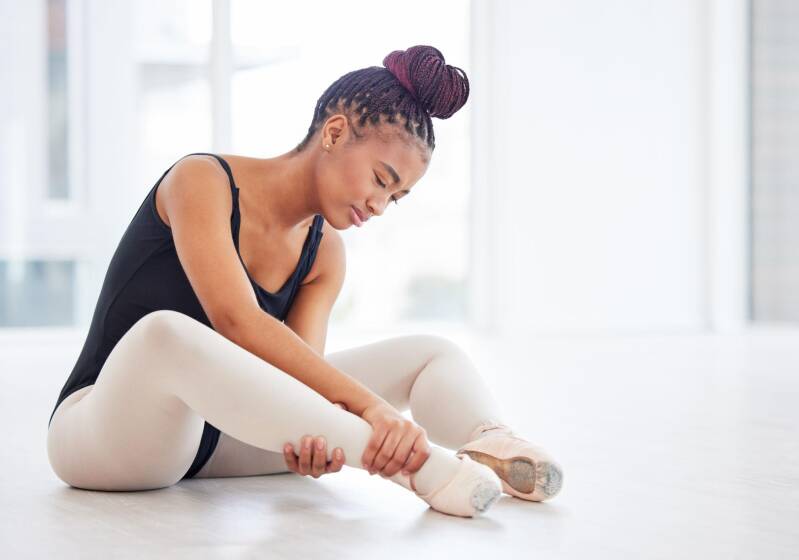
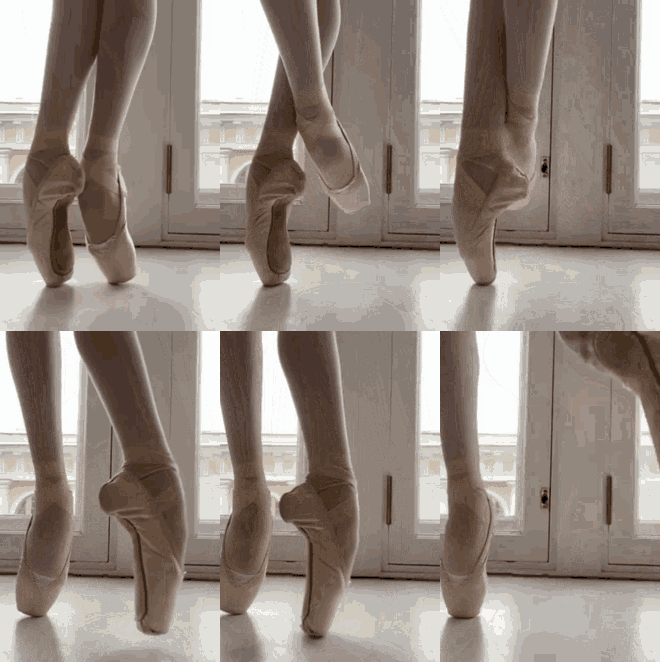
Pain holding you back from the stage? Get back to dancing with confidence!
Ballet demands exceptional strength, flexibility, balance and control. Behind the grace and precision of every movement is an enormous physical demand on the feet, ankles, knees, hips and lower back.
Repeated pointe work, jumping, landing, extreme turnout and intensive training can place considerable stress on muscles, tendons, ligaments and joints.
Whether you are a professional ballet dancer, a student, a teenager attending dance school or an enthusiastic performer, an injury can affect your technique, confidence and ability to dance
Or perhaps you simply want to treat those hardworking muscles to some well-deserved care!
At Physio Motion Injury Clinic in Cheadle, we provide personalised physiotherapy and rehabilitation to help dancers understand their injuries, restore movement and work towards returning to dance.
Don't allow pain to keep you away from the barre or the stage!
Common Ballet & Dance Injuries
Ballet injuries frequently affect the lower body, particularly the foot and ankle. However, repetitive loading and extreme movement demands can also affect the knees, hips and spine.
1. Foot & Ankle Injuries
Ankle Sprains & Ligament Injuries
An awkward landing, fatigue or rolling over the foot during demi-pointe or pointe work can stretch or tear the ankle ligaments.
Symptoms include:
-
Pain around the outer ankle
-
Swelling and bruising
-
Difficulty bearing weight
-
Repeated ankle sprains
-
Feeling that the ankle gives way
Posterior Ankle Impingement
Pain or pinching at the back of the ankle when pointing the toes or rising onto pointe.
This may involve irritation of the surrounding tissues or an anatomical variation such as an os trigonum (an extra bone behind the ankle).
FHL Tendinopathy – Trigger Toe
The flexor hallucis longus (FHL) tendon helps control the big toe and is particularly important during pointe work.
Irritation can cause:
-
Pain behind or inside the ankle
-
Discomfort when pointing the toes
-
Pain when rising onto pointe
-
Clicking or difficulty moving the big toe
Achilles Tendinopathy
Repetitive jumping, pointe work and sudden increases in training can overload the Achilles tendon.
Symptoms include morning stiffness, tenderness, pain during jumping and discomfort when rising onto the toes.
Stress Fractures
Repeated impact without adequate recovery can cause small cracks in the bones.
Common sites include:
-
Second and fifth metatarsals
-
Sesamoid bones beneath the big toe
-
Tibia (shin bone)
-
Calcaneus (heel bone)
Persistent localised bone pain, especially during jumping or landing, should be assessed promptly.
Plantar Fasciitis & Heel Pain
Repeated loading can irritate the plantar fascia beneath the foot, causing heel pain, particularly with the first steps in the morning or after rest.
Bunions, Blisters & Toenail Injuries
Pressure and friction from pointe shoes can contribute to:
-
Bunions (hallux valgus)
-
Bruised or damaged toenails
-
Blisters and skin irritation
-
Forefoot pain and tenderness
-
Sesamoid irritation
2. Knee Injuries in Ballet Dancers
Patellofemoral Pain Syndrome – Dancer's Knee
Pain around or behind the kneecap, particularly during pliés, jumps, landings and repeated bending.
Contributing factors may include muscle weakness, altered movement control and forcing turnout through the knees.
Other possible problems include:
-
Patellar tendinopathy
-
Quadriceps muscle strains
-
Meniscal injuries
-
Ligament sprains
-
Overuse-related knee pain
3. Hip Injuries & Groin Pain
Ballet requires significant hip mobility, turnout and repeated high leg extensions.
Common problems include:
Snapping Hip Syndrome
A clicking or snapping sensation around the hip during leg movements, extensions or turnout.
Hip Impingement (FAI)
Abnormal contact between the hip joint structures can cause groin pain, stiffness and discomfort during deep hip movements.
Hip Labral Injuries
Irritation or tears of the cartilage rim surrounding the hip socket may cause deep groin pain, clicking or catching.
Hip Flexor & Gluteal Tendinopathy
Repetitive high leg extensions and demanding dance movements can overload the muscles and tendons around the hip.
4. Lower Back Injuries
Repeated arabesque, cambré, back extensions and demanding landings can place considerable stress on the lumbar spine.
Common problems include:
-
Lower-back muscle strains and spasms
-
Facet joint irritation
-
Disc-related pain
-
Lumbar stress injuries, including spondylolysis
-
Repetitive extension-related back pain
Persistent or worsening back pain should be assessed rather than repeatedly dancing through it.
Why Do Ballet Dancers Develop Injuries?
Several factors can contribute to dance-related injuries:
-
Excessive training volume without sufficient recovery
-
Sudden increases in pointe work or jumping
-
Poor landing technique
-
Muscle weakness or imbalance
-
Insufficient ankle and foot strength
-
Forcing turnout beyond natural hip range
-
Inadequate footwear or poorly fitting pointe shoes
-
Reduced recovery, fatigue and repetitive loading
Sometimes an injury is not caused by one particular movement but by the accumulation of repeated stress over time.
How Can Physiotherapy Help Ballet Dancers?
At Physio Motion Injury Clinic, treatment begins with understanding your symptoms, dance demands and the movements that aggravate your injury.
Your assessment may include:
-
Foot, ankle and lower-limb examination
-
Hip and knee movement assessment
-
Strength and flexibility testing
-
Balance and stability assessment
-
Functional movement and landing control
-
Assessment of relevant dance movements
-
Review of training load and recovery
Your Treatment & Rehabilitation May Include
Hands-On Physiotherapy
Appropriate soft tissue techniques, massage and joint mobilisation to address muscular tightness, restricted movement and joint stiffness.
Foot & Ankle Strengthening
Exercises to improve calf strength, intrinsic foot muscle control, ankle stability and balance.
Hip & Core Rehabilitation
Strengthening to improve pelvic control, hip stability and movement during turnout and leg extensions.
Flexibility & Mobility
Appropriate exercises to improve movement without forcing joints beyond their safe range.
Progressive Return to Dance
A gradual rehabilitation programme to help restore strength, jumping ability, landing control and confidence before returning to demanding dance movements.
Treatment is tailored to your individual condition. Suspected fractures, significant tendon injuries and other serious conditions may require medical assessment or imaging before rehabilitation progresses.
When Should a Dancer Seek Physiotherapy?
Don't ignore symptoms simply because you can still dance.
Consider an assessment if you experience:
-
Repeated ankle sprains
-
Pain when pointing your toes
-
Difficulty rising onto pointe
-
Persistent heel or forefoot pain
-
Pain during jumps or landings
-
Hip clicking accompanied by pain
-
Knee pain during pliés
-
Persistent lower-back discomfort
-
Pain that returns every time you increase training
Early assessment can help identify contributing factors and guide appropriate treatment before symptoms become more disruptive.
If you have severe pain, sudden inability to bear weight or suspected stress fracture, seek prompt medical assessment.
Frequently Asked Questions
Can I continue ballet if I have foot or ankle pain?
It depends on the injury. Some mild conditions allow modified training, while suspected fractures, significant tendon injuries or severe sprains require stopping aggravating activities and obtaining appropriate assessment.
Can physiotherapy help with pointe-work pain?
Yes. An assessment can investigate potential causes such as FHL tendon irritation, posterior ankle impingement, Achilles problems or forefoot overload. Treatment depends on the diagnosis.
How long will it take to recover?
Recovery varies according to the injury, its severity, training demands and individual response to rehabilitation. Stress fractures and significant tendon injuries may require considerably longer than minor soft tissue problems.
Should I stretch more if I am experiencing pain?
Not necessarily. Excessive stretching or forcing turnout can aggravate certain injuries. Exercises should be selected according to your condition and movement limitations.
Can I return to professional dancing after an injury?
Many dancers successfully return to their previous level following appropriate rehabilitation. Return should be gradual and based on recovery of strength, movement control and tolerance to dance-specific demands.
Get Back to the Barre. Get Back to the Stage.
Your passion for dance shouldn't have to end because of persistent pain.
Whether you are struggling with pointe-work pain, an ankle injury, Achilles tendinopathy, knee pain, hip problems or lower-back discomfort, we can help you explore the appropriate treatment and rehabilitation options.
" Dancers – Don't let injury steal your show – call Mr Hussain and get back to your flow! ”