Fractures, Dislocations & Traumatic Injury Rehabilitation in Cheadle
“ AFTER THE FALL, WE’LL HELP YOU STAND TALL! "
When to seek urgent medical attention
If you suspect a fracture or dislocation, seek urgent medical assessment. Call 999 or attend A&E for a serious injury, particularly if:
-
The limb looks deformed or is at an unusual angle.
-
There is an open wound over a suspected fracture.
-
You have numbness, tingling or loss of sensation.
-
The injured area becomes cold, blue or unusually pale.
-
There is severe pain, major swelling or uncontrolled bleeding.
Do not attempt to straighten a deformed limb or relocate a dislocated joint yourself. Keep the injured area supported and avoid unnecessary movement.
For urgent but non-life-threatening advice in England, contact NHS 111.
Injured in an accident? Don't let pain and stiffness hold you back.
A fall, road traffic accident, sporting collision or sudden impact can cause serious damage to bones, joints, muscles, ligaments and tendons.
Even after the initial injury has been treated, you may be left struggling with pain, swelling, stiffness, weakness and difficulty returning to normal activities.
At Physio Motion Injury Clinic in Cheadle Hulme, we provide individualised physiotherapy rehabilitation to help you recover movement, rebuild strength and regain confidence following fractures, dislocations and traumatic soft tissue injuries.
Whether you are recovering from a broken bone, a joint dislocation, a severe sprain or an accident-related injury, our aim is to help you progress safely towards your everyday activities.
What injuries can occur following trauma?
Traumatic injuries can affect almost any part of the body. The severity can range from a minor soft tissue injury to a complex fracture requiring surgery.
Fractures – broken bones

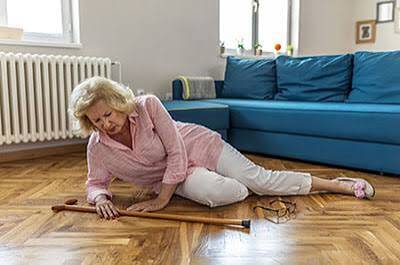
A fracture is a break or crack in a bone. It may occur following a fall, direct impact, sporting injury or road traffic accident.
Common fractures include:
-
Wrist and forearm fractures
-
Hand and finger fractures
-
Shoulder and collarbone fractures
-
Rib fractures
-
Hip and pelvic fractures
-
Thigh and femur fractures
-
Knee and kneecap fractures
-
Ankle and foot fractures
-
Tibia and fibula fractures
Fractures may require immobilisation in a cast or brace, surgical fixation with plates, screws or rods, or other medical treatment.
Once your fracture has been medically assessed and rehabilitation is appropriate, physiotherapy can help address the stiffness, weakness and loss of function that may develop during recovery.
Dislocations – joints forced out of position
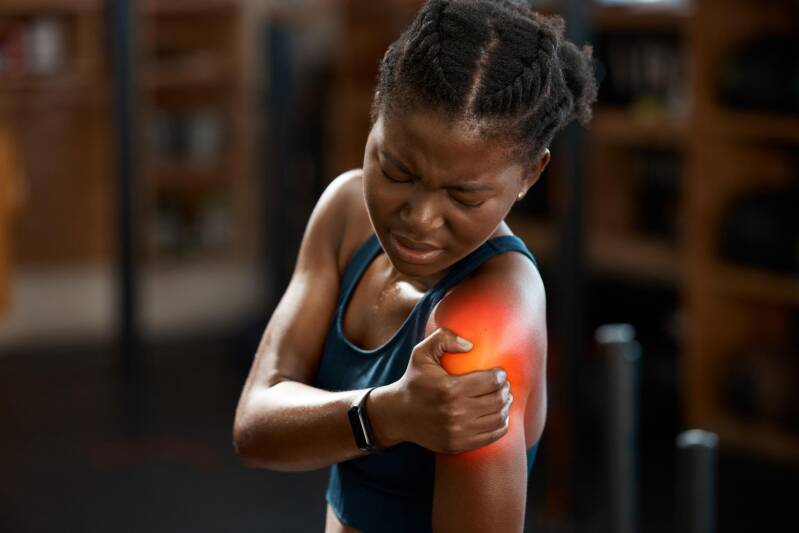
A dislocation occurs when the bones forming a joint are displaced from their normal position.
Common dislocations include:
-
Shoulder dislocations
-
Finger and thumb dislocations
-
Elbow dislocations
-
Kneecap dislocations
-
Hip dislocations
-
Ankle and other joint dislocations
A dislocation can damage surrounding ligaments, joint capsules, muscles, tendons and sometimes nerves or blood vessels.
Following medical treatment and joint stabilisation, rehabilitation may help restore movement, improve muscular control and rebuild strength around the affected joint.
Never attempt to put a dislocated joint back into place yourself. A suspected dislocation requires urgent medical assessment.
Soft tissue injuries following trauma
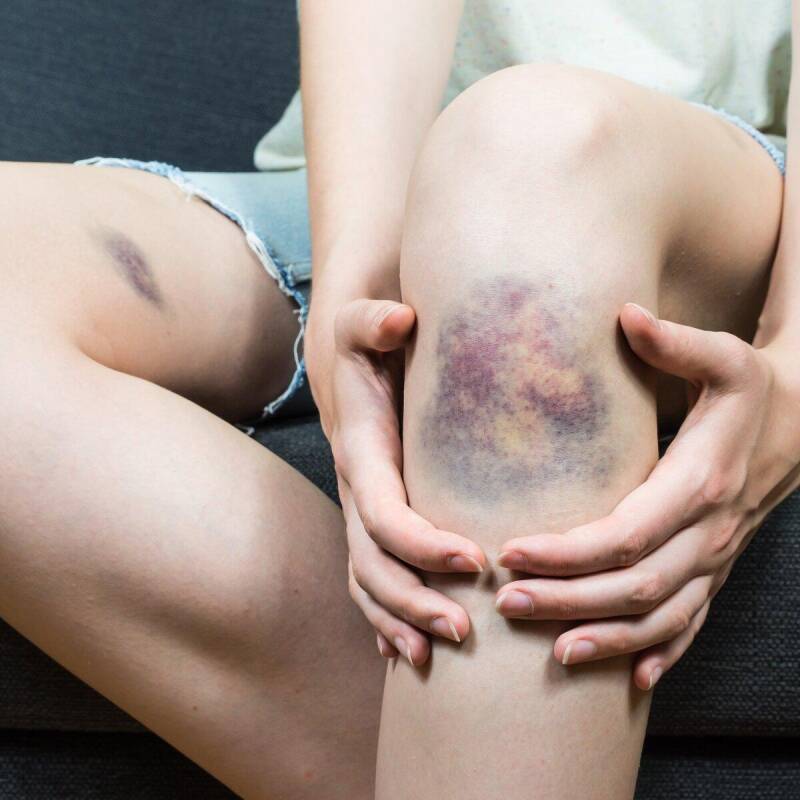
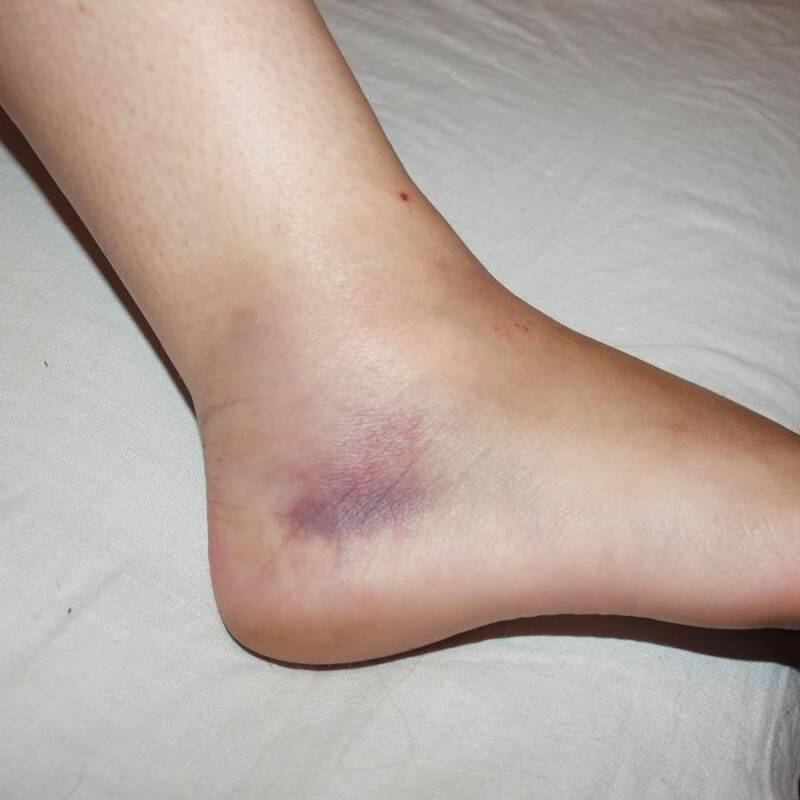
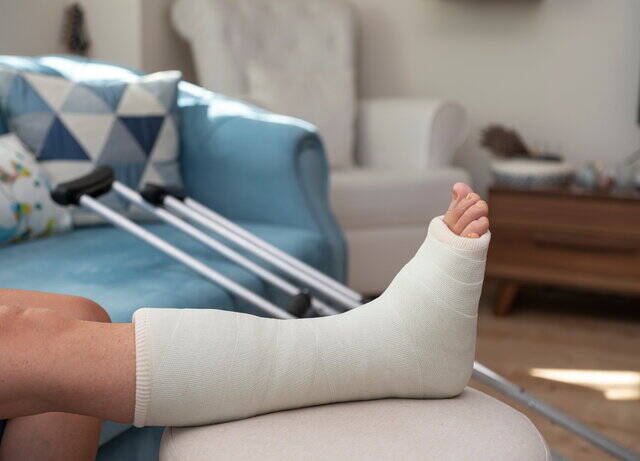
Trauma can also damage the soft tissues that support and move your body.
These injuries may occur alongside fractures or dislocations, or independently.
Common traumatic soft tissue injuries include:
-
Ligament sprains and tears
-
Muscle strains and tears
-
Tendon injuries
-
Bruising and contusions
-
Whiplash-associated neck injuries
-
Rotator cuff injuries
-
Knee ligament injuries
-
Ankle sprains
-
Back and neck muscle injuries
-
Swelling and restricted joint movement
Depending on the severity, symptoms may persist for weeks or months and can interfere with walking, lifting, driving, work, sport and everyday activities.
Symptoms following a fracture, dislocation or traumatic injury
You may experience:
-
Persistent pain or tenderness
-
Swelling around the injured area
-
Bruising or discolouration
-
Reduced joint movement
-
Muscle weakness or wasting
-
Stiffness after immobilisation
-
Difficulty walking or putting weight through a limb
-
Altered balance or coordination
-
Reduced confidence using the injured body part
-
Difficulty returning to work, exercise or sport
These problems can continue even after the bone or soft tissue has begun to heal.
The right rehabilitation approach can help you address these difficulties and work towards restoring your normal function.
How can physiotherapy help after a fracture or dislocation?
Following medical treatment, physiotherapy can play an important role in your recovery.
At Physio Motion Injury Clinic, your rehabilitation programme is tailored to your injury, stage of healing, medical advice and personal goals.
1. Individual injury assessment
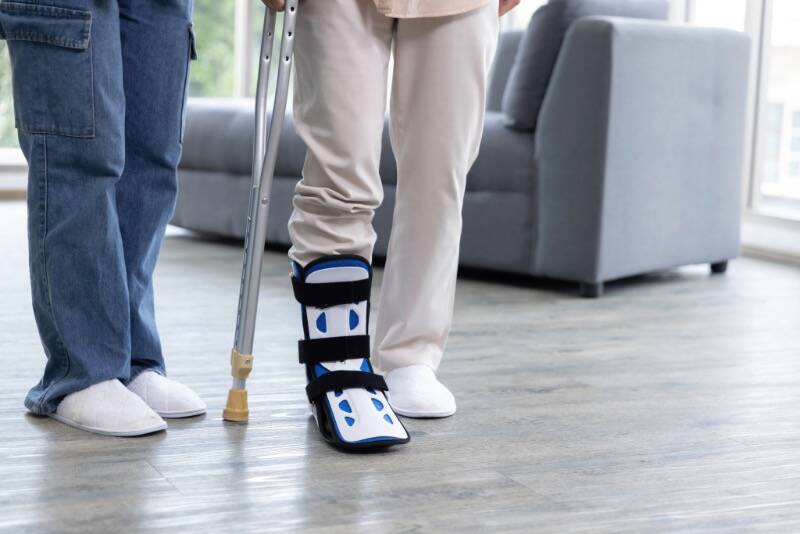
We assess your symptoms, movement limitations and functional difficulties, taking into account your medical history, fracture or injury details, surgery and any restrictions provided by your treating team.
Your assessment may include:
-
Joint range of movement
-
Muscle strength
-
Swelling and soft tissue condition
-
Functional movement
-
Walking pattern and balance
-
Difficulties with everyday activities
2. Improving joint movement and flexibility
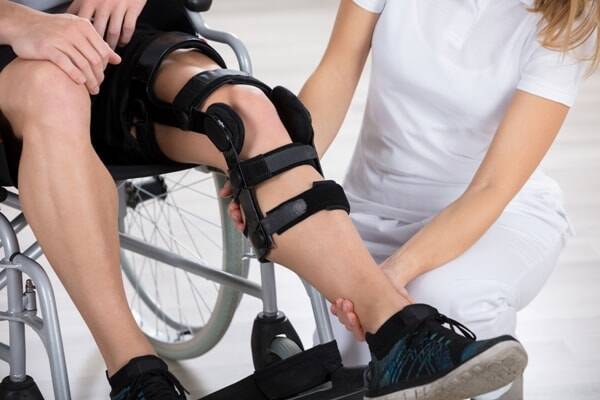
After a period in a cast, sling or brace, joints can become stiff and muscles may tighten.
Appropriate rehabilitation exercises and movement techniques can help gradually restore mobility within your medical restrictions.
3. Rebuilding muscle strength
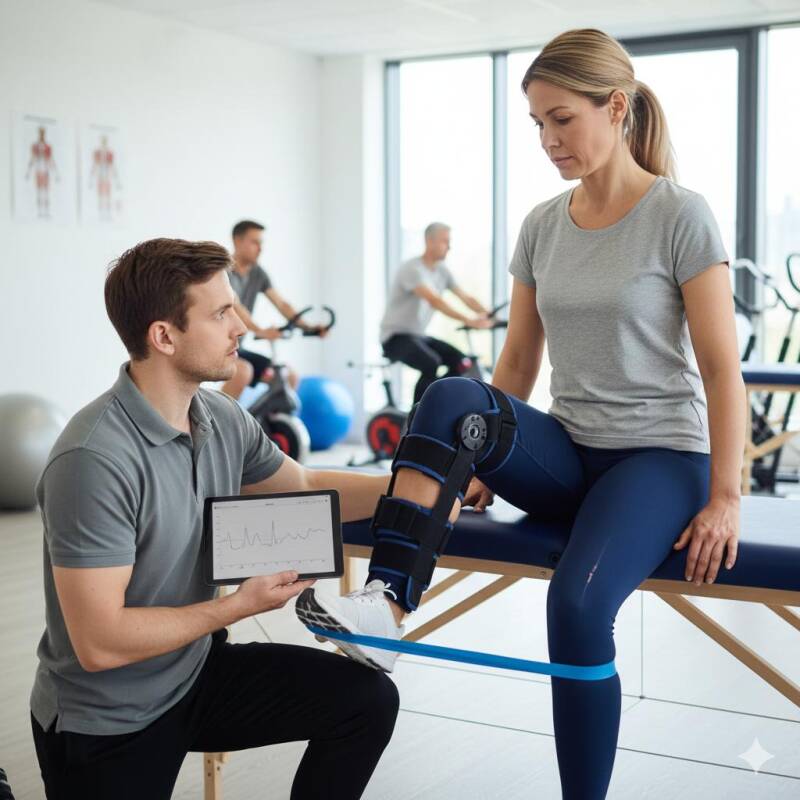
Immobilisation and reduced activity can lead to muscle weakness and loss of muscle bulk.
A progressive strengthening programme can help rebuild the muscles supporting your injured area and improve your ability to perform daily tasks.
4. Reducing stiffness and improving function
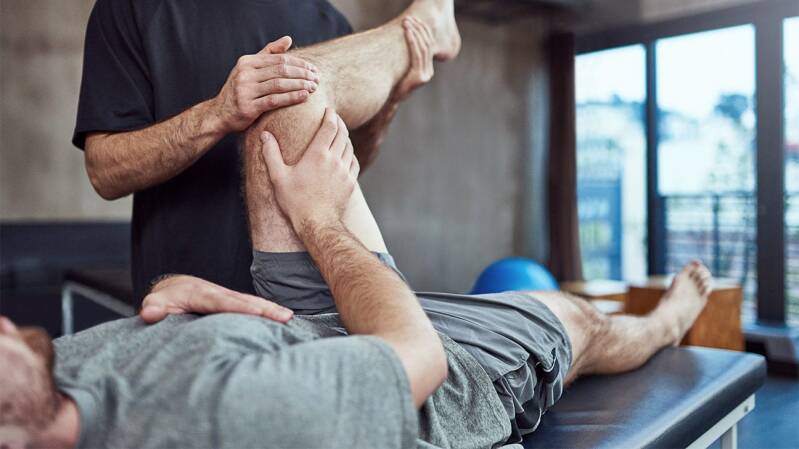
Your rehabilitation may include carefully selected movement exercises and hands-on physiotherapy techniques where appropriate.
The aim is to improve your ability to move comfortably and perform activities such as walking, climbing stairs, lifting, reaching and bending.
5.Walking and balance rehabilitation
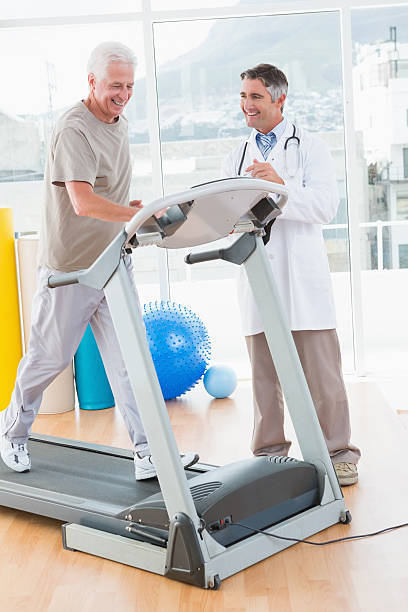

Following lower-limb fractures or injuries, you may develop an altered walking pattern, reduced balance or difficulty using stairs.
Physiotherapy can help you progress your walking and functional activities in accordance with your weight-bearing instructions.
6. Returning to work, exercise and sport
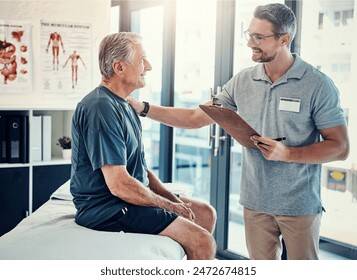
Returning to activity too quickly may increase the risk of aggravating your injury.
We can help you develop a gradual rehabilitation plan based on your recovery, strength, movement and functional ability.
What treatment may be used during rehabilitation?
Depending on your injury and stage of recovery, your physiotherapy programme may include:
-
Hands-on physiotherapy
-
Gentle joint mobilisation, when appropriate
-
Soft tissue techniques, when appropriate
-
Guided mobility and stretching exercises
-
Progressive strengthening exercises
-
Balance and coordination training
-
Walking and functional rehabilitation
-
Advice on activity modification and pacing
-
A personalised home exercise programme
Treatment is selected according to your individual needs and must respect any fracture-healing, surgical or weight-bearing restrictions.
Hands-on treatment and exercise are not started indiscriminately over an unhealed fracture or unstable joint. Your medical clearance and healing stage determine what is appropriate.
Rehabilitation after surgery or a period in a cast
Following surgery or immobilisation, it is common to experience reduced movement, muscle weakness and difficulty returning to normal activities.
Examples include:
-
Stiffness following wrist or forearm fracture fixation
-
Reduced shoulder movement after a collarbone fracture
-
Weakness following a femur or tibia fracture
-
Difficulty walking after an ankle fracture
-
Reduced knee movement after surgery
-
Muscle weakness following prolonged use of crutches
-
Reduced confidence following a fall or accident
Rehabilitation is progressed carefully according to your surgeon's or treating clinician's instructions.
Your programme may begin with gentle movement and progress towards strengthening, balance, walking and functional exercises as your recovery allows.
Why choose Physio Motion Injury Clinic in Cheadle Hulme?
Recovering from a traumatic injury can be frustrating, especially when pain, stiffness or weakness prevent you from getting back to normal.
At Physio Motion Injury Clinic, we focus on helping you understand your injury and work towards meaningful recovery goals.
-
Chartered Physiotherapist
-
HCPC registered
-
20+ years of clinical experience
-
Individualised physiotherapy rehabilitation
-
Hands-on physiotherapy where appropriate
-
One-hour appointments
-
Evening appointments
-
Five-star Google rating
- On site Gym area
- Free Parking
-
Convenient clinic in Cheadle Hulme
-
Serving Cheadle, Stockport, Bramhall, Hazel Grove, Handforth, Wilmslow and surrounding areas
We aim to help you move better, become stronger and regain confidence following injury.
Frequently asked questions
Can physiotherapy help after a broken bone?
Yes. Once your fracture has been medically assessed and rehabilitation is appropriate, physiotherapy may help improve joint movement, muscle strength, balance and functional ability.
The timing and type of treatment depend on the fracture, whether surgery was required and your medical team's instructions.
Do I need physiotherapy after a fracture has healed?
Some people recover well without additional physiotherapy. Others experience stiffness, weakness, reduced mobility or difficulty returning to normal activities.
If you are struggling to regain your previous function, a physiotherapy assessment may help identify what is limiting your recovery.
Can physiotherapy help after a dislocated shoulder?
Yes. Following medical treatment and stabilisation, physiotherapy may help restore shoulder movement, strength and control.
Your rehabilitation will depend on the severity of the dislocation, any associated fractures or soft tissue damage, and the advice of your treating clinician.
How long does fracture rehabilitation take?
Recovery varies considerably depending on the bone involved, the severity of the fracture, your age, general health, surgery and any complications.
Rehabilitation may take weeks or months. Your programme should progress according to healing and functional improvement rather than a fixed timetable.
Can physiotherapy help after a road traffic accident?
Yes. Following appropriate medical assessment, physiotherapy may help with accident-related soft tissue injuries, joint stiffness, muscle weakness and difficulties with movement.
More complex injuries may require coordinated rehabilitation with your hospital or specialist team.
When should I start physiotherapy after a fracture?
The timing depends on your injury and treatment.
Some rehabilitation activities may begin early under medical guidance, while other exercises or hands-on techniques must wait until the fracture or joint is sufficiently stable.
Always follow your surgeon's or treating clinician's restrictions.
Injured? Take the next step towards recovery.
You do not have to remain struggling with stiffness, weakness or reduced movement after an injury.
If you have been medically assessed and are ready for rehabilitation, Physio Motion Injury Clinic can help you work towards regaining movement, strength and confidence.
" Bones May Break, Joints May Stray — We’ll Help You Get Back on Your Way! "